 LUPER
LUPER
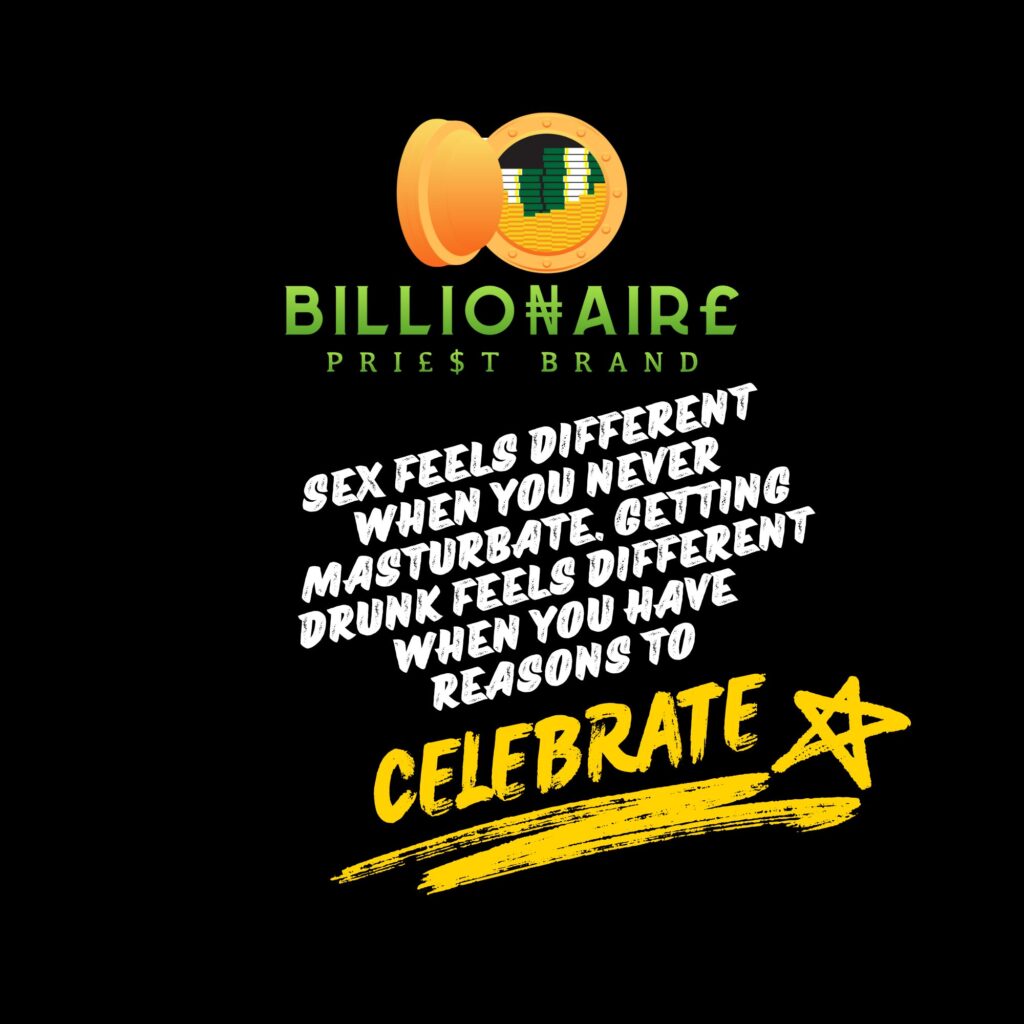
The experiences of sex and intoxication are multifaceted and subjective, shaped by a range of psychological, physiological, and social factors. Let’s delve deeper into each statement you’ve made.
Sex Feels Different When You Never Masturbate
- Physiological Factors:
- Sensitivity: For someone who does not masturbate often, sexual arousal and pleasure may feel heightened due to increased sensitivity. Masturbation can desensitize certain nerve endings over time, but if someone abstains, their body may respond more intensely to stimulation due to the buildup of sexual tension.
- Hormonal Levels: Abstaining from masturbation can lead to elevated testosterone levels in some individuals, potentially increasing libido. This hormonal boost can make sexual encounters feel more intense and rewarding.
- Psychological Factors:
- Anticipation and Novelty: Sexual experiences can carry a sense of novelty and excitement when they are rare. If someone does not masturbate, they may approach sexual encounters with a greater sense of anticipation and emotional investment, making the experience feel more significant and fulfilling.
- Intimacy and Connection: For those who view sex primarily as an intimate experience shared between partners, engaging in sex without the background context of frequent masturbation can lead to deeper emotional connections and a more profound sense of intimacy.
- Social and Cultural Context:
- Expectations and Norms: Cultural narratives around sexuality often shape how individuals perceive their experiences. For someone who abstains from masturbation, sexual encounters may align more closely with societal notions of “purity” or “intimacy,” thus enhancing the gravity and significance of the sexual act.
Getting Drunk Feels Different When You Have Reasons to Celebrate
- Psychological State:
- Mindset and Mood: When drinking in celebration, the psychological state contributes significantly to the experience. Positive emotions associated with the celebration—such as joy, excitement, or relief—can amplify the effects of alcohol. Feeling happy can enhance relaxation and pleasure, making the experience of intoxication more enjoyable.
- Social Context: Alcohol often plays a communal role in celebrations. Being surrounded by friends or loved ones, sharing stories, and experiencing joy together can elevate the experience of drunkenness, making it feel more euphoric and fulfilling.
- Physiological Response:
- Reward Pathways: The brain’s reward system may react differently when drinking for celebration versus drinking out of habit or boredom. In celebratory contexts, the release of neurotransmitters like dopamine can create a more intense sense of pleasure and reward, enhancing the experience of being intoxicated.
- Tolerance Levels: The context in which alcohol is consumed can affect how it impacts the body. If someone typically drinks in low-key settings, the effects may feel more pronounced in a festive environment where the atmosphere heightens the sense of inebriation.
- Cultural Significance:
- Rituals and Meaning: Drinking in celebration often comes with cultural rituals and meanings attached. These elements can amplify the experience, making it feel more significant. For instance, toasting, dancing, and engaging in traditional celebratory behaviors create a multi-sensory experience that can change the way one perceives intoxication.
Conclusion
In summary, both sexual experiences and intoxication are profoundly influenced by a mixture of physical, psychological, and social factors. When someone abstains from masturbation, their sexual experiences can feel more intense and charged due to heightened sensitivity and emotional investment. Similarly, drinking in the context of celebration can transform the experience of intoxication, as the surrounding joy, camaraderie, and cultural significance enhance the effects of alcohol. Both scenarios highlight how context, anticipation, and emotional engagement shape our experiences and perceptions.