 LUPER
LUPER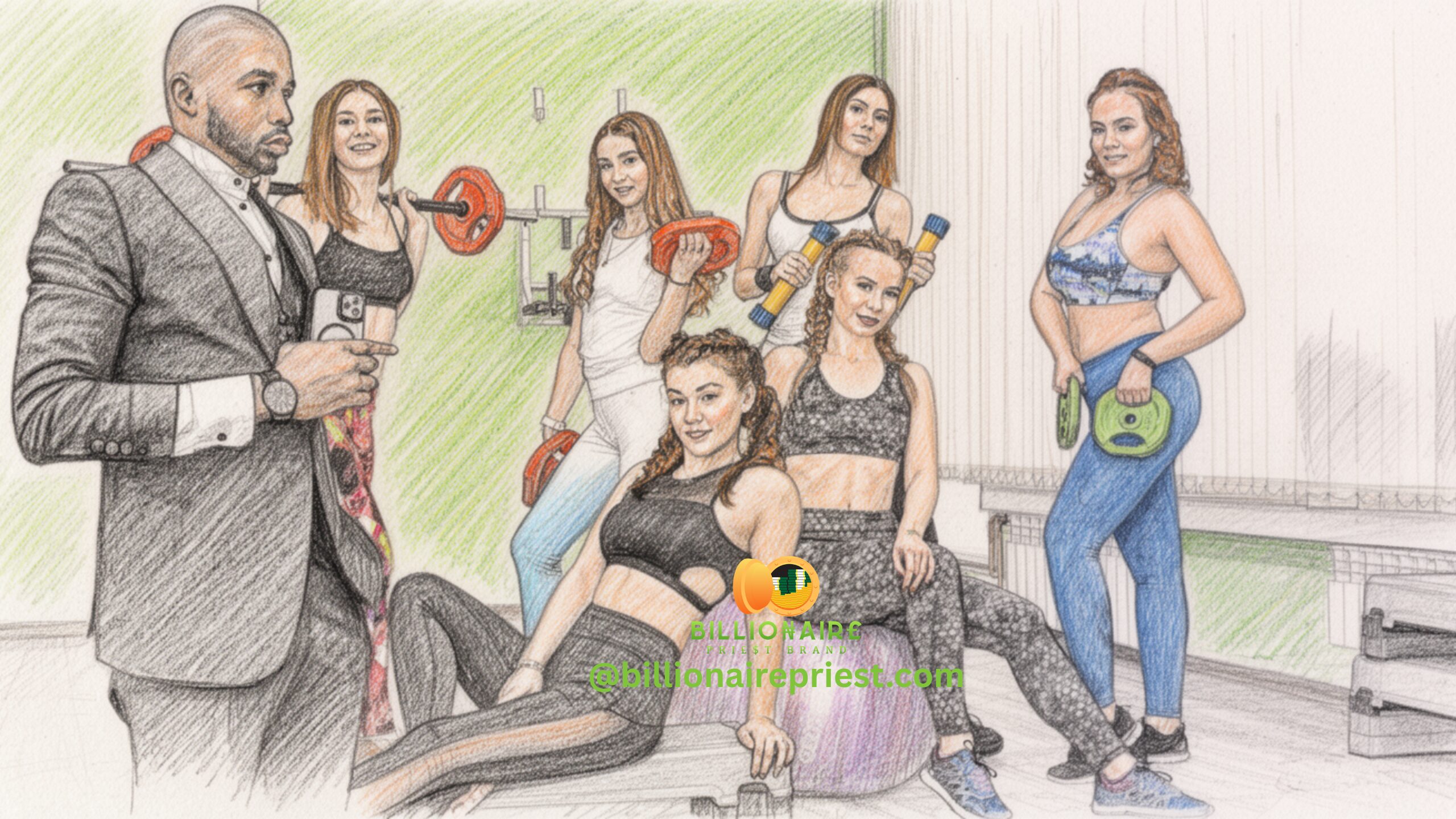
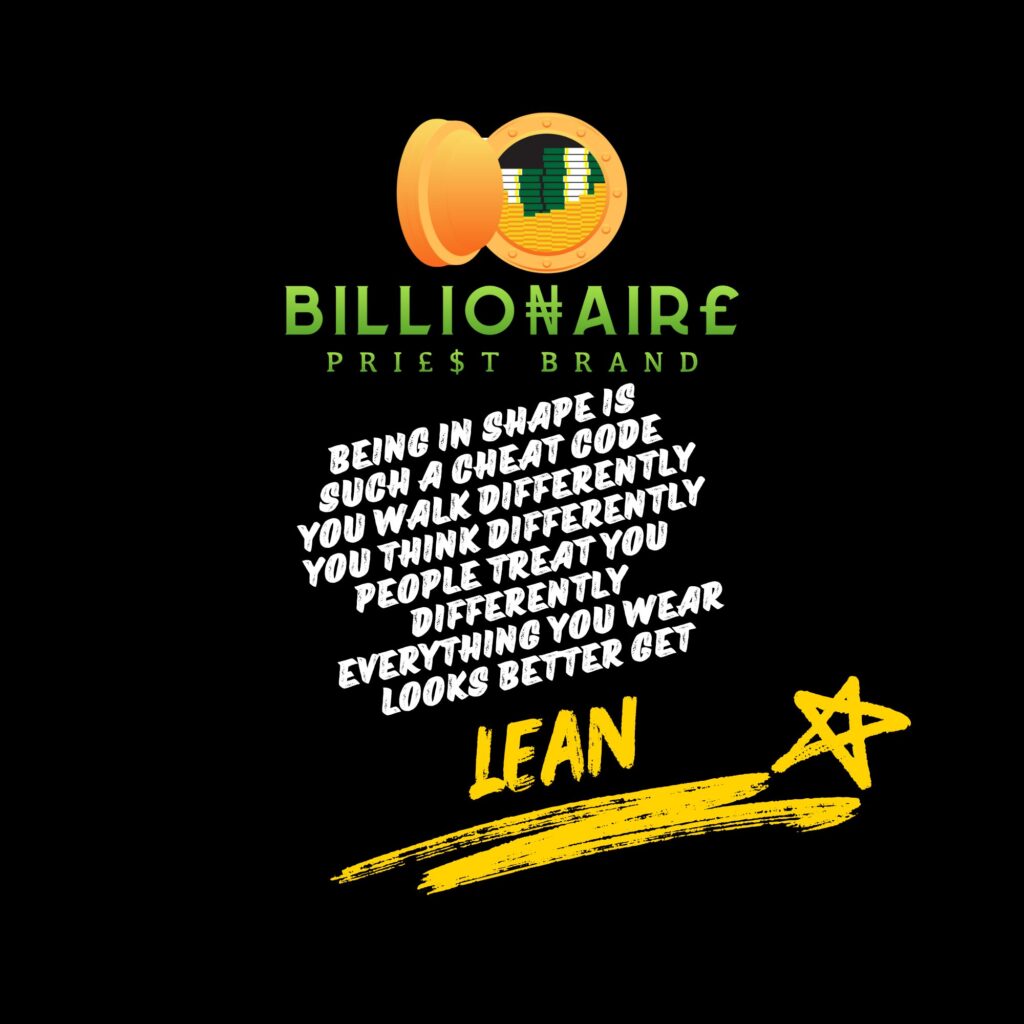
The concept of being “in shape” extends far beyond mere physical appearance; it encompasses a holistic transformation that affects one’s mindset, social interactions, and even the way the world responds to an individual. Let’s explore these dimensions more deeply.
Physical Health and Fitness
1. Improved Physical Abilities:
- Being in shape typically means improved cardiovascular health, strength, flexibility, and endurance. These attributes allow for greater ease in daily activities, whether it’s climbing stairs, playing sports, or even walking long distances without fatigue.
2. Enhanced Body Composition:
- A leaner body often reflects a lower body fat percentage and higher muscle mass, which can lead to improved metabolism and energy levels. This change can make individuals feel more energetic and ready to engage in various activities.
Mental and Emotional Well-Being
3. Boosted Confidence:
- Achieving fitness goals can lead to a significant boost in self-esteem. People in shape often feel more comfortable in their own skin, which affects how they carry themselves and interact with others. Increased confidence can lead to better posture, more engaging body language, and a more assertive presence.
4. Positive Mindset:
- Regular exercise is associated with the release of endorphins, which can elevate mood and alleviate stress and anxiety. This mental uplift can help individuals think more positively, tackle challenges more effectively, and approach life with a greater sense of optimism.
Social Perceptions and Interactions
5. Changes in Social Dynamics:
- Society often holds a bias towards those who appear fit or attractive, leading to different social experiences. Research shows that people perceive fit individuals as more capable, disciplined, and even more attractive. As a result, individuals who are in shape may find they are treated more favorably in various social and professional contexts.
6. Networking Opportunities:
- Being in shape can increase engagement in social activities, such as joining fitness classes, sports teams, or community events centered around wellness. This can lead to expanding one’s social circle and meeting like-minded individuals who share similar interests in health and fitness.
Influence on Personal Style
7. Enhanced Fashion Choices:
- When people feel fit and confident in their bodies, they often become more adventurous and expressive in their fashion choices. Clothing typically hangs and fits better on a leaner physique, encouraging a sense of style that reflects personal expression. This can further boost confidence, creating a positive feedback loop.
Long-Term Health Benefits
8. Longevity and Quality of Life:
- Individuals who maintain a healthy lifestyle tend to enjoy better overall health and can mitigate the risk of chronic diseases such as diabetes, heart disease, and some cancers. The benefits of being in shape contribute not just to physical appearance but enhance the quality and longevity of life.
The Psychological Feedback Loop
9. Self-Discipline and Mindfulness:
- The journey to getting in shape often requires commitment, discipline, and goal-setting. These skills can transfer to other areas of life, fostering personal growth, responsibility, and a proactive approach to challenges.
10. Perspective Shift:
- Being in shape can lead to a more focused and driven mindset. Many individuals report that their experiences in fitness translate to other aspects of their lives, such as career ambition, relationship management, and personal development.
Conclusion
Thus, being in shape indeed acts as a “cheat code” in life. It offers a multi-faceted advantage that influences one’s physical capabilities, mental state, social interactions, and overall quality of life. This transformation can empower individuals to pursue their goals with a newfound vigor, leading to a more fulfilling and engaged existence. Embracing fitness is not just about looking good; it’s about embodying a lifestyle that permeates every aspect of one’s being, fostering resilience, confidence, and overall well-being.