 LUPER
LUPER
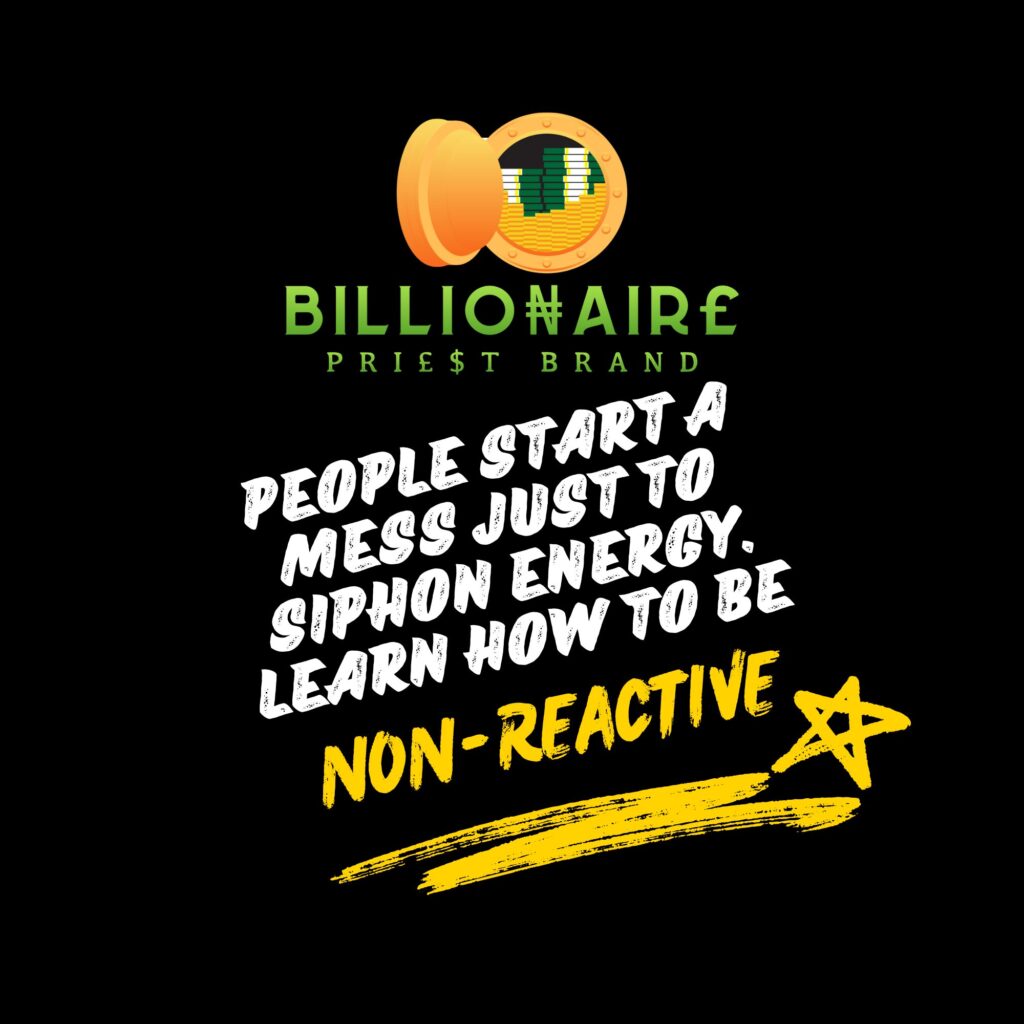
Understanding how some individuals create chaos or “mess” in their environments to siphon energy from others can help us develop strategies for remaining non-reactive. This phenomenon involves complex psychological and interpersonal dynamics, and learning to remain calm in the face of provocation is key to maintaining one’s peace and emotional well-being.
1. Understanding the Dynamics of Energy Siphoning
a. What is Energy Siphoning?
Energy siphoning refers to a situation where individuals drain emotional or psychological energy from others for their own benefit. This can happen through conflict, negativity, drama, or systematic manipulation. Often, those who engage in this behavior thrive on emotional responses they evoke, feeling empowered or justified through the chaos they create.
b. Motivations for Creating Chaos
- Attention Seeking: Some individuals thrive on being the center of attention and will create drama to ensure that they remain in the spotlight.
- Control and Power: By provoking emotional reactions, they can assert control over others, maintaining a position of dominance.
- Projection of Their Issues: Individuals who are unhappy or insecure may create chaos as a means of coping with their feelings, projecting their inner turmoil onto others.
- Feed Off Drama: Certain personalities, such as those with narcissistic traits, may seek out drama due to a need for validation and stimulation.
2. The Psychology Behind Reactivity
a. Emotional Triggers
Every individual has emotional triggers—events or actions that provoke strong emotional responses. Recognizing these triggers is the first step to becoming non-reactive. For example, if someone feels threatened or criticized, they may react defensively.
b. Fight or Flight Response
In stressful situations, the human brain activates the amygdala, which prompts the fight-or-flight response. This reaction can lead to immediate, often unconsidered responses. Learning to consciously override this instinct can help individuals maintain composure.
3. Strategies to Cultivate Non-Reactivity
a. Self-Awareness and Mindfulness
- Practice Mindfulness: Engaging in mindfulness exercises can help cultivate presence and awareness of emotional responses. This practice involves observing one’s thoughts and feelings without judgment, allowing for greater clarity in potentially triggering situations.
- Emotional Check-Ins: Regularly assessing your emotional state can help you identify when you are beginning to feel provoked. This awareness offers a chance to step back before responding impulsively.
b. Detachment Techniques
- Observe Rather than Engage: When faced with chaos, practice detachment by viewing the situation as an observer. This helps create distance from the emotional turbulence, making it easier to choose how to respond rather than react.
- The Pause Technique: Before responding to provocation, take a moment to breathe deeply and gather your thoughts. This pause allows you to assess the situation and choose a rational response rather than an emotional outburst.
c. Boundaries and Limit Setting
- Establish Boundaries: Understanding your limits and clearly communicating them can protect you from falling into chaotic dynamics. This can mean physically distancing yourself from toxic individuals or asserting your boundaries in conversations.
- Know When to Walk Away: In situations of high drama or toxicity, don’t hesitate to remove yourself. Walking away is sometimes the best form of self-preservation.
4. Emotional Regulation Techniques
a. Cognitive Reframing
This technique involves changing your perspective on a triggering situation. Instead of viewing someone’s chaos as a personal affront, try to see it as a reflection of their struggles. This shift can lessen the emotional weight of their actions.
b. Practice Compassion
Recognizing that those who create chaos may be acting out of their own distress can evoke feelings of compassion rather than frustration. Instead of personalizing their behavior, consider their motivations and struggles.
c. Focus on Solutions, Not Problems
When confronted with drama, redirect your focus toward potential solutions rather than getting mired in the chaos. This proactive approach can keep you anchored and less impacted by external turmoil.
5. Building Resilience
a. Cultivate Supportive Relationships
Surrounding yourself with positive and supportive people can create a buffer against the chaos siphoning effect. Healthy relationships foster resilience and provide perspective during challenging interactions.
b. Engage in Self-Care
Investing time in self-care practices—whether physical, emotional, or spiritual—can replenish your energy and make you more resilient to the chaos that others may create. Activities like exercise, hobbies, meditation, and rest can uplift your spirit and enhance your emotional reserves.
Conclusion
Learning to be non-reactive in the face of chaos and energy siphoning requires a combination of self-awareness, emotional regulation, and the establishment of healthy boundaries. By cultivating an understanding of our triggers and employing techniques to maintain composure, we can navigate interpersonal challenges more gracefully. Maintaining a calm demeanor not only preserves our mental and emotional health