 LUPER
LUPER
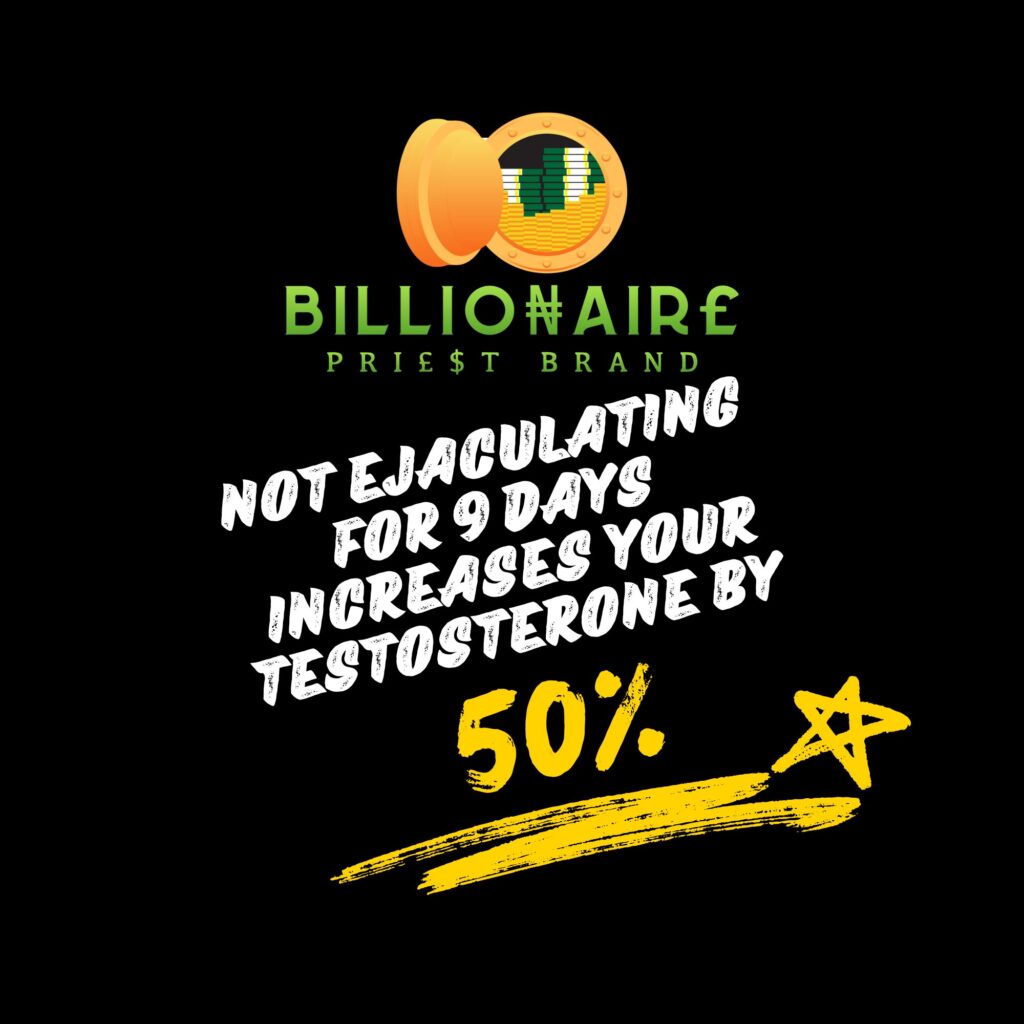
This claim has a grain of truth behind it—but the way it’s usually repeated is misleading.
Where the “50% increase” comes from
A small study often cited in discussions about abstinence tracked men who avoided ejaculation for several days. It found that around day 7 there was a temporary spike in testosterone—roughly in that “~50% higher than baseline” range. After that, levels dropped back toward normal.
So yes, a spike was observed—but:
- It was short-lived (basically a one-day peak)
- It didn’t keep rising with longer abstinence
- It returned to baseline quickly
What testosterone actually does day to day
Testosterone isn’t a fixed number—it fluctuates constantly based on:
- Sleep quality
- Stress levels
- Physical activity (especially strength training)
- Diet and calorie intake
- Time of day (higher in the morning)
Compared to those factors, ejaculation frequency has a very small and inconsistent effect.
Does not ejaculating “build up” testosterone?
Not really. The body doesn’t store testosterone like a reservoir that fills up if you abstain. It’s produced, used, and regulated continuously through feedback systems in the brain and testes.
Avoiding ejaculation doesn’t cause a steady accumulation—it might slightly shift hormone patterns temporarily, but the body quickly stabilizes.
Why people feel different when abstaining
Even if testosterone isn’t dramatically changing, people often report:
- Increased focus or drive
- Heightened sexual energy
- More motivation
That’s likely due to:
- Psychological factors (discipline, expectation)
- Dopamine regulation (less frequent stimulation)
- Increased sensitivity to arousal
So the experience can feel real, even if it’s not driven by a sustained hormonal surge.
What actually raises testosterone in a meaningful way
If the goal is higher or healthier testosterone, the strongest levers are:
- Resistance training (especially compound lifts)
- Consistent, high-quality sleep
- Maintaining a healthy body fat level
- Managing chronic stress
- Adequate nutrition (especially fats, zinc, vitamin D)
Those have far more reliable and lasting effects than abstaining from ejaculation.
Bottom line
There may be a brief spike in testosterone after about a week of abstinence, but it’s temporary and not a sustained 50% increase.
If someone chooses not to ejaculate for personal reasons (discipline, focus, beliefs), that can still be meaningful—but it’s not a dependable biological hack for boosting testosterone long-term.