 LUPER
LUPER
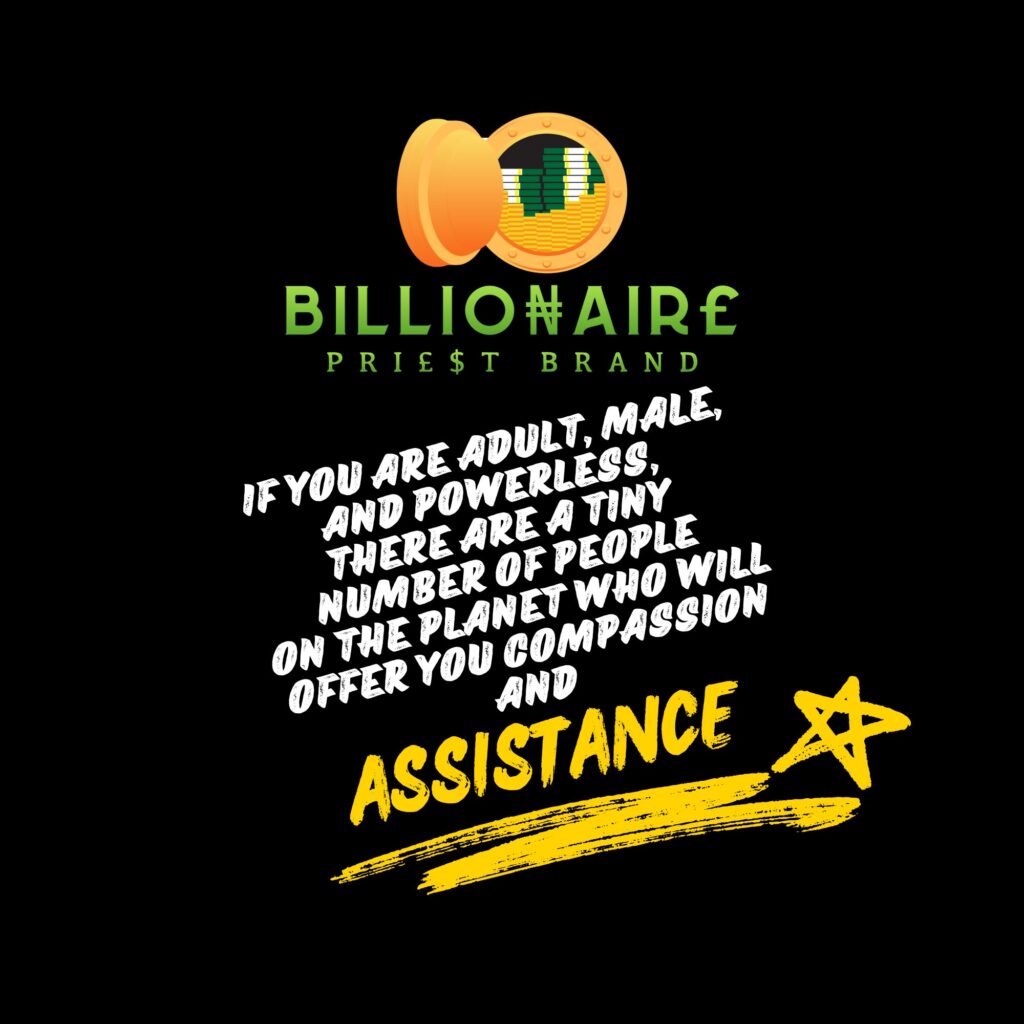
This statement reflects a complex intersection of gender, age, societal expectations, and power dynamics that can influence how individuals experience compassion and support. Here’s a deeper analysis of the underlying themes:
1. Societal Norms and Masculinity
Cultural narratives about masculinity often valorize traits such as strength, self-sufficiency, and stoicism. In many societies, men are expected to embody these ideals, leading to the following effects:
- Emotional Resilience: There is a prevalent belief that men should be emotionally resilient and capable of handling challenges without seeking help. This belief can discourage men from expressing vulnerability or asking for support, reinforcing an internalized code that limits emotional connection.
- Help-Seeking Behavior: As a result, adult males may be less likely to seek help or express their struggles. When they do reach a point of needing compassion or support, they may find themselves in a position where societal norms have conditioned others to overlook their struggles, assuming they should “handle it” on their own.
2. Gendered Compassion and Support Networks
Compassion and social support often flow through established social networks, which can be influenced by gender:
- Stereotypes and Expectations: Traditionally, women have been socialized to be nurturers and caregivers. Consequently, women may more readily offer compassion and assistance to others, particularly in familial or community settings. Men, however, may be socialized to be problem solvers and providers, leading to an expectation that they should not need help.
- Support Circles: Due to these dynamics, men may have fewer support networks where they feel comfortable expressing vulnerability. Emotional connection and support might thrive in female-dominated spaces, but men may either not participate in them or be less likely to be approached for help when they are in need.
3. Power Dynamics and Vulnerability
The concept of power is crucial to understanding the dynamics at play:
- Powerlessness and Marginalization: An adult male who feels powerless—whether in economic, social, or political terms—may be further marginalized in a society that equates masculinity with strength and control. Such a person may struggle with feelings of inadequacy, shame, or isolation.
- Limited Compassion for Powerless Men: When men express vulnerability, they may be met with skepticism or discomfort due to societal stereotypes about masculinity. For example, others might misinterpret their vulnerability as weakness, leading to a lack of compassion or support. This can result in a cycle where the powerless male feels further alienated.
4. Intersectionality and Broader Contexts
Powerlessness is not solely related to gender; other intersecting factors, such as race, socioeconomic status, mental health, and sexuality, can limit the compassion and assistance available to individuals:
- Race and Socioeconomic Status: Individuals from marginalized racial or socioeconomic groups face additional layers of discrimination and adversity. Men from these backgrounds may find it even harder to receive compassion and support, exacerbating their feelings of isolation.
- Mental Health Stigma: Men who struggle with mental health issues may face additional stigma, leading to a reluctance to seek help. In a society where mental health issues are often overlooked or stigmatized, they may find fewer people willing to offer support.
5. Cultural and Structural Barriers
Cultural context plays a significant role in shaping how power dynamics and compassion manifest:
- Cultural Attitudes: In some cultures, traditional beliefs about masculinity are extraordinarily rigid. In these settings, any deviation from expected norms can result in ostracism or ridicule, further isolating men who feel they require help.
- Institutional Support: The availability of institutional resources (like mental health services, counseling, or community centers) can also influence how much compassion and help a powerless male receives. In many places, especially underserved communities, resources may be limited, leading to a lack of assistance for those in need.
Conclusion
The statement emphasizes the complexities around masculinity, power dynamics, and societal expectations. Adult men who find themselves in positions of powerlessness might struggle to receive compassion and assistance, hampered by societal norms that discourage vulnerability among men. Moreover, intersecting factors like race, class, and mental health can further shape these experiences, potentially limiting support networks and deepening feelings of isolation. To create a more compassionate environment for all individuals, it is crucial to challenge these societal norms, promote emotional openness, and ensure that support systems are inclusive and accessible.