 LUPER
LUPER
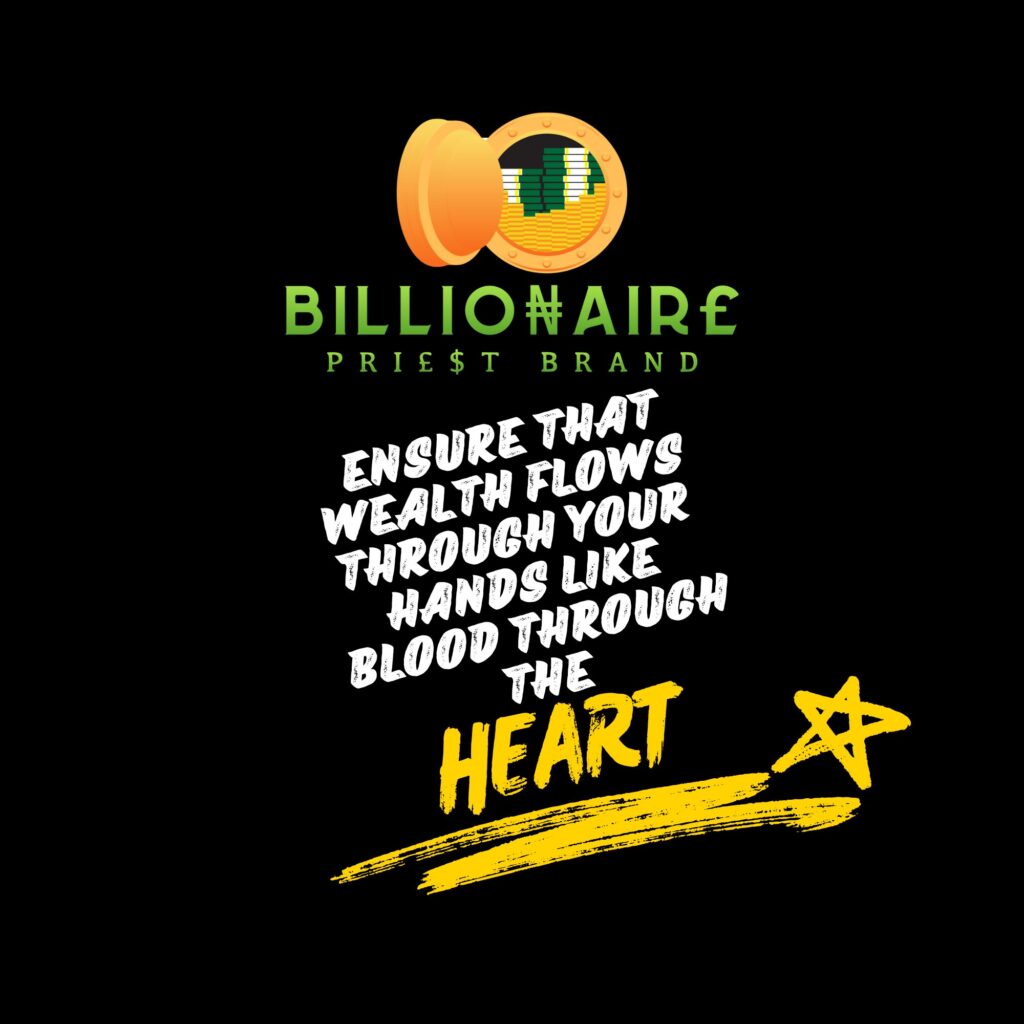
The phrase “Ensure that wealth flows through your hands like blood flows through the heart” suggests a dynamic, healthy relationship with wealth—one that emphasizes circulation, vitality, and intentionality. Here’s a deeper exploration of this metaphor:
1. The Symbolism of Blood and Heart
- Essential Life Force: Blood is fundamental to life, carrying oxygen and nutrients to cells and removing waste products. Similarly, wealth can be viewed as a vital resource that fuels various aspects of our lives—our wellbeing, security, and opportunities. Just as a healthy heart pumps blood effectively throughout the body, a proper management of wealth ensures that it serves its purpose effectively.
- Circulation: Blood flows continuously through the circulatory system, ensuring that all parts of the body receive what they need to function optimally. This analogy implies that wealth, too, should circulate—flowing into investments, community, education, and personal development. The more wealth circulates, the more it can support a thriving ecosystem—benefiting individuals, families, businesses, and societies.
2. Dynamic Relationship with Wealth
- Mindfulness and Intentionality: The phrase urges individuals to treat wealth not merely as a static asset but as a resource that requires active management, care, and intention. Just as the heart pumps blood continually, individuals should be conscious of how they earn, spend, invest, and share their wealth. The flow should be purposeful, directed towards meaningful goals—whether personal or philanthropic.
- Giving and Receiving: Wealth is meant to be exchanged, shared, and distributed. In this context, it encourages a mindset of generosity. Like blood that nourishes all cells, wealth should be utilized to uplift others—supporting community initiatives, aiding those in need, and fostering opportunities. Acts of giving can enrich the giver’s life, fostering connections and creating a sense of fulfillment.
3. The Dangers of Stagnation
- Avoiding Hoarding: When blood flow is obstructed or stagnates, it can lead to serious health issues. Similarly, wealth that is hoarded or withheld can lead to negative consequences—financial stagnation for individuals and economic inequality on a larger scale. Hoarding wealth may provide a false sense of security but can create disconnection and a lack of engagement with the surrounding community.
- Economic Flow: Encouraging wealth to flow can help stimulate economies and communities. Investment in businesses, education, and infrastructure can lead to job creation and improved quality of life. Stagnation of wealth, through hoarding or excessive saving without reinvestment, can lead to economic downturns and increased socio-economic divides.
4. Balance and Growth
- Investing in Growth: Just as blood nourishes and sustains life, wealth should be utilized to foster growth—both personally and collectively. This involves taking risks in investments, engaging in lifelong learning, and supporting innovations. Healthy circulation of wealth encourages reinvestment in personal skills, community development, and economic ventures.
- Lifestyle and Choices: The phrase can also reflect the importance of living within one’s means while still allowing for flexibility in how wealth is utilized. Rather than approaching wealth as a destination (a fixed amount to achieve), it suggests a more fluid understanding—seeing it as a tool that can enhance experiences, relationships, and personal growth.
5. A Holistic Perspective on Wealth
- Integration in Life: The notion promotes a holistic approach to wealth—integrating it into all aspects of life. Just as the heart and blood are essential parts of a living organism, wealth is intrinsically linked to one’s values, relationships, and societal contributions. This approach recognizes that true wealth encompasses more than just financial assets; it includes health, knowledge, relationships, and community.
- Wealth as a Means, Not an End: The metaphor suggests that wealth should be viewed as a means to achieve greater well-being and positive impact rather than merely as an end goal. This mindset can lead to more fulfilling and purposeful living, emphasizing that wealth is most valuable when it is actively engaged and utilized for the betterment of oneself and the community.
Conclusion
The metaphor “Ensure that wealth flows through your hands like blood flows through the heart” encapsulates a vision of wealth as a vital, dynamic, and integral part of a healthy life. It advocates for a proactive approach, emphasizing circulation, connection, and intentionality. In this way, wealth can become a powerful tool for fostering not only personal prosperity but also societal improvement. This mindset encourages individuals to engage with their wealth in meaningful ways, creating a ripple effect that benefits both themselves and the broader community.