 LUPER
LUPER
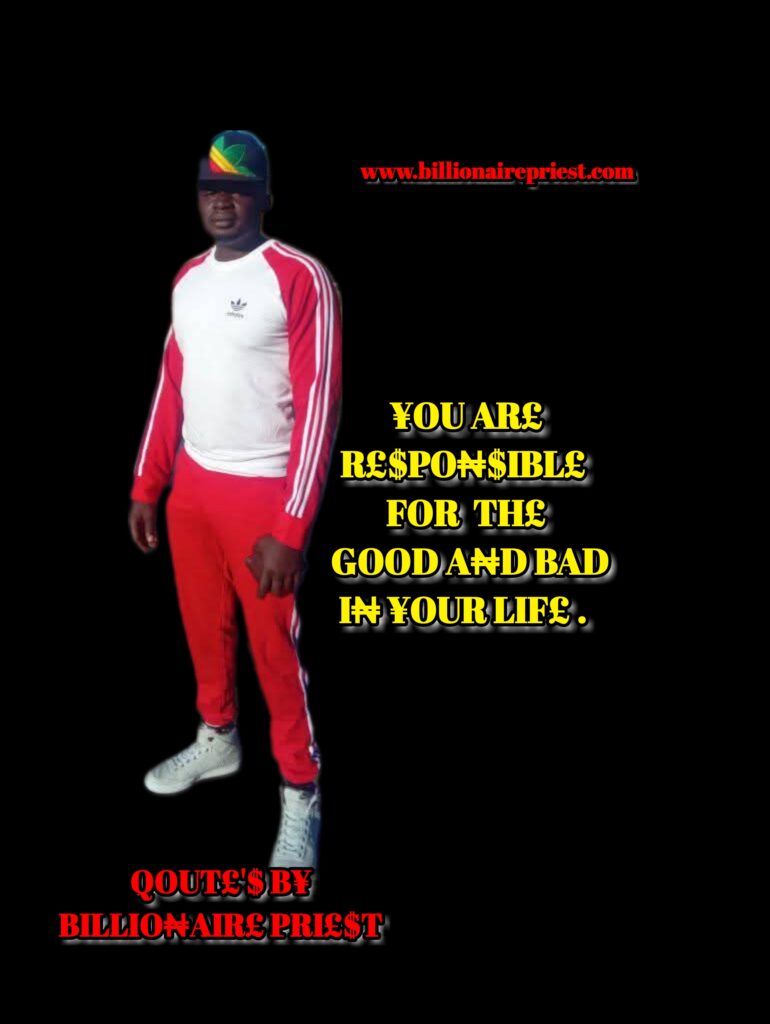
The statement “You are responsible for the good and bad in your life” emphasizes personal accountability—the idea that you are the main force shaping your life, through your choices, actions, mindset, and reactions.
Here’s a breakdown of what it really means:
🔑 1. You Create Outcomes Through Choices
Every decision you make—what you do, what you avoid, who you associate with, how you handle challenges—contributes to where you are today.
- If something went right, you probably made a smart move, showed effort, or took initiative.
- If something went wrong, there may have been a poor choice, inaction, or denial of reality.
💡 2. Responsibility ≠ Blame
This idea isn’t about self-blame or guilt. It’s about ownership.
- Taking responsibility means saying: “This is my life, and I have the power to influence it.”
- Blaming others or circumstances might feel easier in the moment, but it leaves you powerless to change.
⚖️ 3. The Good and Bad Are Both Part of Growth
- You get credit for your successes. You should own and celebrate them.
- You also own your failures—not to shame yourself, but to learn from them and do better next time.
🧠 4. Mindset and Reactions Matter
Even when external things happen (e.g., layoffs, breakups, illness), you still control how you respond—whether with resilience, growth, or defeat.
- You’re responsible for how long you stay bitter, how you rebuild, or whether you let circumstances define you.
✅ In Summary
“You are responsible for the good and bad in your life” is a call to empowerment, not self-judgment. It reminds you that:
- You are not a victim of life—you are a participant.
- The more ownership you take, the more control you gain over your future.
Please follow and like us: