 LUPER
LUPER
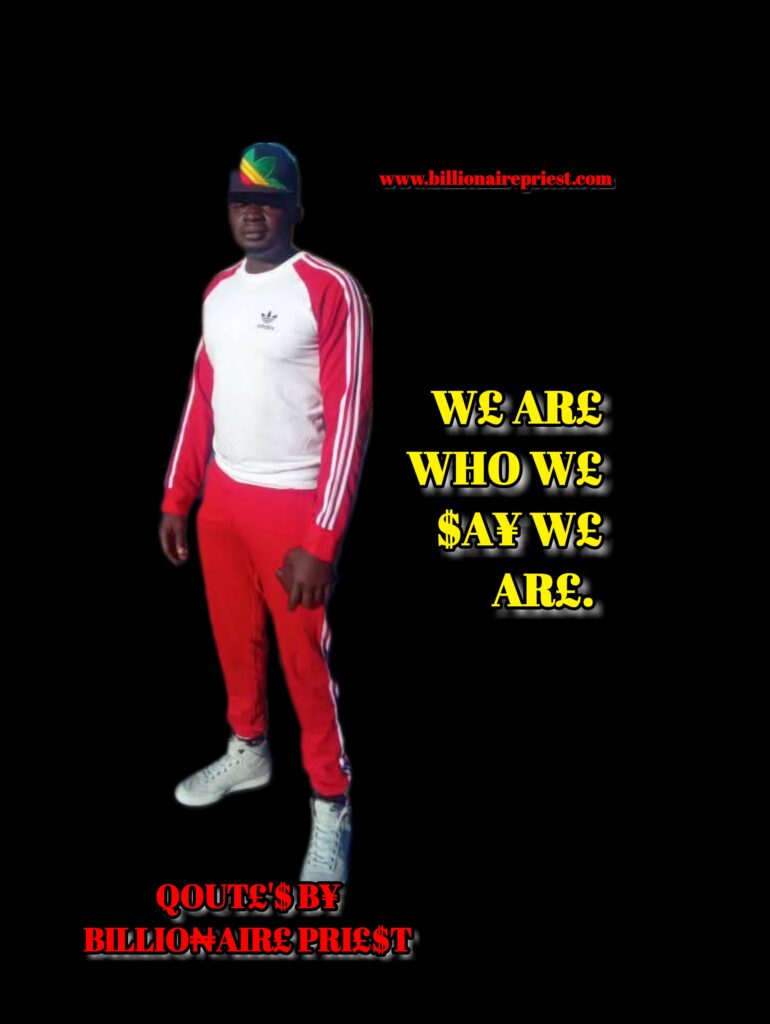
The phrase “We are who we say we are” is a statement about identity, agency, and self-definition. It emphasizes that individuals or groups have the power and the right to define themselves, rather than being labeled or judged by others. Here’s a breakdown of its potential meanings depending on context:
1. Assertion of Identity
It can be used to affirm one’s authentic self in the face of doubt, discrimination, or external judgment.
“We are who we say we are — not who society or others claim us to be.”
In this sense, it’s a form of empowerment, especially for marginalized groups who have historically been misrepresented.
2. Claim to Integrity
It can also be a declaration of honesty or consistency—that our words and actions are aligned.
“We mean what we say. There’s no deception here.”
This interpretation is about credibility: what we say about ourselves is the truth.
3. Control Over Narrative
It highlights the idea that people or groups should be allowed to control their own stories.
In branding or politics, for example, it’s about shaping public perception on one’s own terms.
4. Rejection of External Labels
It can also reject stereotypes or imposed identities:
“Just because you see us one way doesn’t mean that’s who we are. We are who we say we are.”
Summary
In all interpretations, the core idea is self-determination: the right to define yourself and be recognized for who you claim to be—not who others assume or assert you are.