 LUPER
LUPER
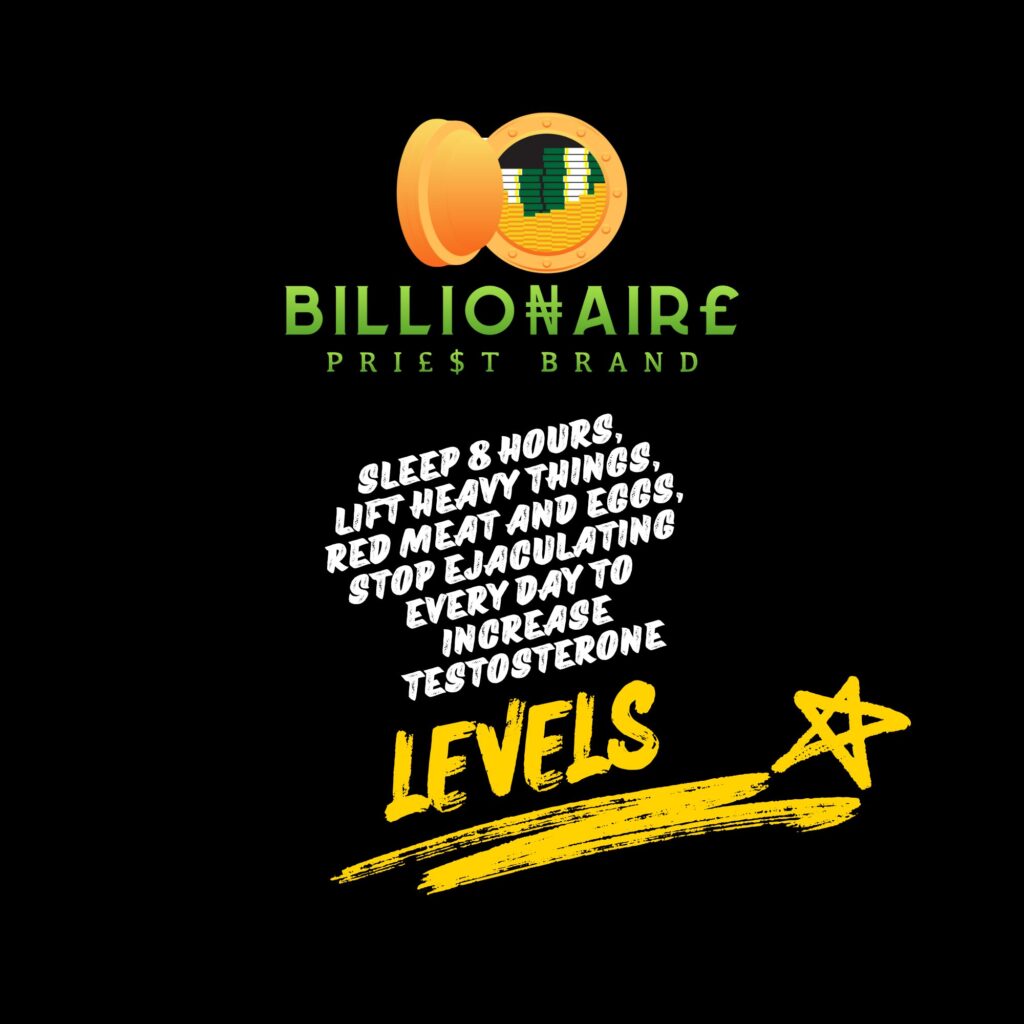
Testosterone (T) is regulated mainly by the hypothalamic–pituitary–gonadal (HPG) axis, a hormone feedback system involving the brain and testes. The lifestyle factors you listed affect different parts of this system—sleep, training stress, nutrition, and energy balance. I’ll break each one down in detail.
1. Sleeping ~8 Hours: Why It Strongly Affects Testosterone
Sleep is one of the most powerful natural regulators of testosterone.
Hormone Timing
Most testosterone release occurs during deep sleep, especially during the first 3–4 hours.
Process:
- The hypothalamus releases GnRH (gonadotropin-releasing hormone).
- This signals the pituitary gland to release LH (luteinizing hormone).
- LH tells the Leydig cells in the testes to produce testosterone.
Deep sleep is when this cycle is most active.
What Happens With Sleep Deprivation
If you sleep only 4–5 hours:
- LH pulses drop
- Testosterone production declines
- Cortisol increases
A well-known study in the field of Endocrinology found that 1 week of 5-hour sleep reduced testosterone by about 10–15% in young men.
Additional Effects
Poor sleep also:
- increases cortisol (stress hormone)
- increases insulin resistance
- increases fat storage
Body fat converts testosterone into estrogen through aromatase, lowering T further.
Optimal Sleep Pattern
Best for testosterone:
- 7.5–9 hours
- consistent sleep schedule
- dark room
- minimal blue light before bed
2. Lifting Heavy Things (Strength Training)
Resistance training stimulates testosterone through neurological and metabolic stress.
Acute Testosterone Spike
Heavy compound lifts cause short-term testosterone increases.
Examples:
- Squats
- Deadlifts
- Bench press
- Pull-ups
These exercises recruit large muscle groups, which creates a bigger hormonal response.
Why Heavy Lifting Works
Heavy lifting activates:
- Motor neurons
- Growth hormone release
- Testosterone release
Your nervous system interprets heavy load as a demand to build stronger tissue, increasing anabolic hormone output.
Key Variables That Matter
Load
- 75–90% of 1RM produces stronger hormonal response.
Volume
- Multiple sets increase stimulus.
Muscle mass used
- Larger muscle groups → larger endocrine response.
Long-Term Adaptation
Over time:
- lean muscle mass increases
- insulin sensitivity improves
- body fat decreases
All of these improve the hormonal environment for testosterone production.
What Lowers Testosterone in Training
Too much training without recovery can cause overtraining syndrome, which increases cortisol and suppresses testosterone.
3. Red Meat and Eggs (Nutritional Role)
Testosterone is a steroid hormone, meaning it is synthesized from cholesterol.
Dietary fats and micronutrients influence this process.
Cholesterol
Testosterone synthesis pathway:
cholesterol → pregnenolone → DHEA → testosterone
Foods high in cholesterol and saturated fats provide raw material.
Examples:
- red meat
- eggs
- dairy
Extremely low-fat diets may reduce testosterone.
Key Nutrients in Red Meat
Red meat provides:
Zinc
Critical for testosterone production and sperm formation.
Zinc deficiency can significantly lower testosterone.
Iron
Supports oxygen transport and physical performance.
Creatine
Improves strength and training intensity, indirectly supporting anabolic signaling.
Key Nutrients in Eggs
Eggs contain:
- cholesterol
- vitamin D
- choline
- healthy fats
Vitamin D behaves like a steroid hormone precursor and is associated with higher testosterone levels when sufficient.
4. Stopping Daily Ejaculation: What Actually Happens
This topic is often misunderstood.
Short-Term Hormone Changes
A small study showed a temporary testosterone increase around day 7 of abstinence, but levels returned to baseline afterward.
Meaning:
- abstinence does not permanently raise testosterone.
However, some people experience indirect benefits.
Possible Indirect Effects
1. Dopamine Regulation
Frequent sexual stimulation (especially pornography) can affect dopamine reward pathways in the brain, studied in Neuroscience.
Reducing overstimulation may improve:
- motivation
- focus
- mood
These factors can improve training and lifestyle habits.
2. Energy and Behavior
Some people report:
- increased aggression
- higher motivation
- better gym performance
This is likely psychological and behavioral, not purely hormonal.
What Ejaculation Actually Does
Ejaculation primarily releases:
- prolactin
- oxytocin
Prolactin temporarily suppresses sexual arousal, but it does not significantly lower baseline testosterone long-term.
5. Body Fat and Testosterone (Often the Hidden Factor)
The biggest natural testosterone killer is excess body fat.
Fat tissue contains the enzyme aromatase, which converts testosterone into estrogen.
Higher body fat → higher aromatase activity → lower testosterone.
This is why:
- strength training
- good sleep
- proper diet
all work together.
6. Cortisol vs Testosterone
Testosterone and cortisol are biologically opposed.
Chronic stress increases cortisol, which suppresses the HPG axis.
High cortisol can come from:
- sleep deprivation
- overtraining
- chronic psychological stress
- severe calorie restriction
Managing stress helps maintain testosterone levels.
7. The Real Natural Testosterone Stack
The strongest natural factors are:
- Sleep 7–9 hours
- Heavy resistance training
- Adequate calories and healthy fats
- Low body fat
- Micronutrients (zinc, vitamin D, magnesium)
- Managing stress
✅ Important reality:
The biggest testosterone differences between men usually come from:
- sleep
- body fat
- training
- genetics
Not from abstinence or single foods.