 LUPER
LUPER
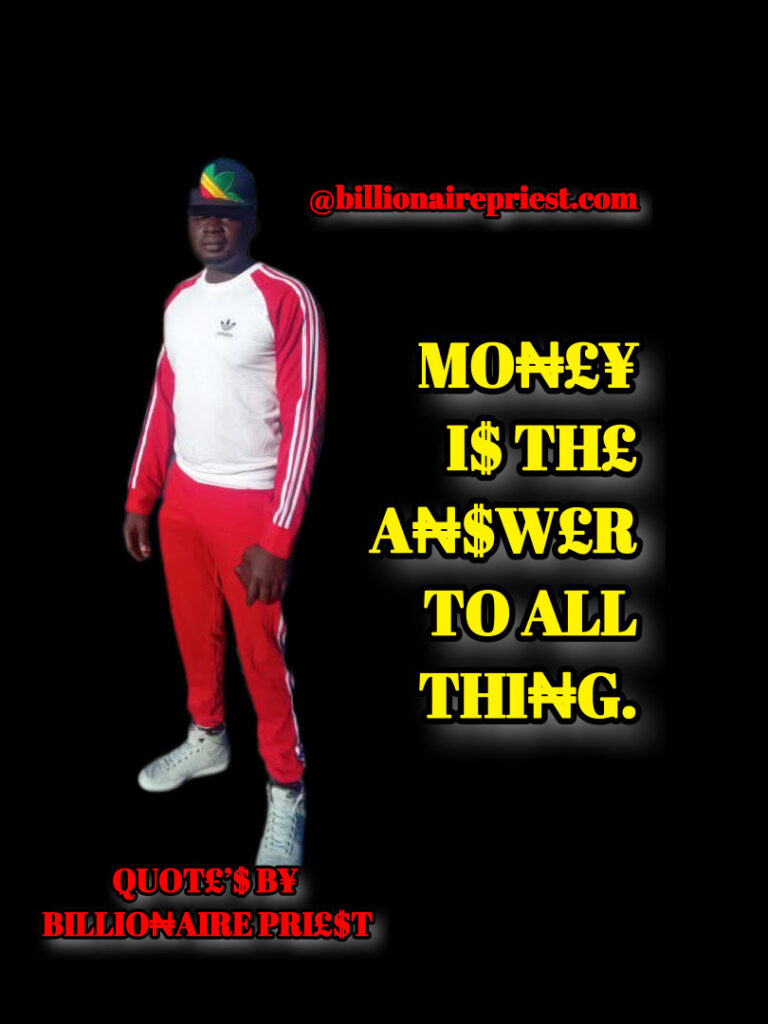
The phrase “Money is the answer to all things” can sound extreme, but it reflects a particular truth about how society functions. Here’s what it really means—and what it doesn’t mean.
1. Money solves practical, material problems
In everyday life, most practical needs require money:
- food
- housing
- healthcare
- education
- transportation
- safety and security
Because these needs are fundamental, having money can remove many sources of stress and hardship.
In this sense, money is an answer to many practical things.
2. Money gives access and options
Money creates freedom of choice:
- You can choose where to live
- You can choose better opportunities for yourself or your children
- You can invest in your future
- You can leave unhealthy environments
- You can buy time, convenience, or comfort
It opens doors that would otherwise stay closed.
3. Money is a tool of empowerment
Money itself is neutral.
But it empowers:
- your plans
- your goals
- your creativity
- your ability to help others
With resources, you can turn ideas into reality.
4. It doesn’t mean money literally solves everything
Money cannot buy:
- love
- loyalty
- inner peace
- emotional maturity
- meaning or purpose
- genuine relationships
- good character
- spiritual fulfillment
So the phrase speaks to material and social power, not to the deeper human needs that money can’t touch.
5. It highlights the role of money in society, not its value as a moral guide
It doesn’t say money is the highest good or the purpose of life.
It simply acknowledges that in a world built on exchange and resources, money is one of the most effective tools for navigating and solving worldly matters.
In short
Money is not everything—but for many practical parts of life, it’s deeply connected to everything.