 LUPER
LUPER
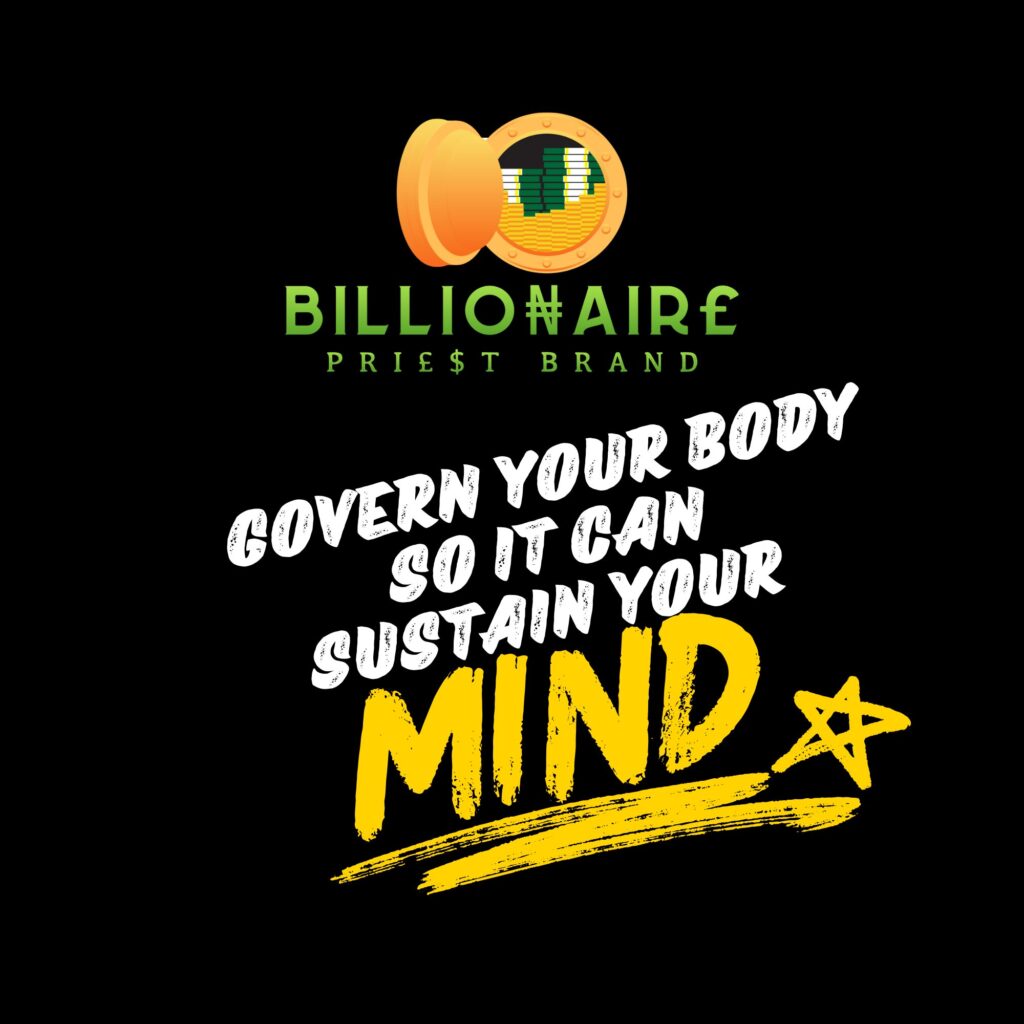
“Govern your body so it can sustain your mind.”
This statement recognizes a hierarchy:
The mind may lead — but the body carries it.
If the body is unstable, inflamed, exhausted, or undisciplined, the mind eventually collapses under its own ambition.
Let’s go deep.
1. The Body Is the Infrastructure of Thought
Your brain is not floating in abstraction.
It is biological tissue.
Every idea, strategy, and insight depends on:
- Oxygen delivery
- Blood glucose stability
- Hormonal balance
- Nervous system regulation
- Sleep cycles
If the body is chaotic, cognition becomes chaotic.
When the body is governed:
- Attention stabilizes
- Emotional reactivity decreases
- Memory sharpens
- Decisions become less impulsive
The mind does not transcend biology — it operates through it.
2. Energy Is the Currency of the Mind
High-level thinking is metabolically expensive.
Deep focus, creativity, strategic reasoning — these require enormous energy.
If you:
- Sleep 4–5 hours
- Eat inflammatory foods
- Avoid movement
- Live in chronic stress
You are asking a depleted system to perform elite cognition.
That’s like demanding enterprise-level output from failing hardware.
Governance means:
- Protecting sleep like capital
- Eating to stabilize energy, not spike dopamine
- Moving daily to regulate mood and circulation
- Reducing unnecessary stress inputs
Mental excellence requires physical discipline.
3. Emotional Regulation Is Physiological First
Many people think emotional control is mental strength.
It’s partially physiological stability.
A dysregulated nervous system:
- Interprets neutral situations as threats
- Overreacts to minor stressors
- Defaults to fear or anger
- Makes short-term decisions
Chronic stress floods the body with cortisol.
Elevated cortisol narrows thinking.
When the body is governed:
- Breath is slower
- Heart rate variability improves
- The nervous system shifts from survival to strategic mode
A calm body allows a sovereign mind.
4. Appetite Governance and Impulse Control
If you cannot govern hunger, you will struggle to govern ambition.
The same circuits that regulate:
- Food impulses
- Sexual impulses
- Stimulation seeking
- Addictive scrolling
Also influence:
- Financial restraint
- Strategic patience
- Delayed gratification
- Long-term execution
Discipline is transferable.
When you train the body to obey intention rather than impulse, you are training the mind to lead rather than react.
Physical governance builds cognitive authority.
5. Strength Changes Identity
Posture affects thought.
Strength affects confidence.
Endurance affects resilience.
When someone strengthens their body:
- Pain tolerance increases
- Stress tolerance increases
- Self-perception changes
The body teaches the mind what it can endure.
Physical training is not vanity — it is neurological conditioning.
6. Historical Insight
Many high-performing leaders understood this integration:
- Marcus Aurelius practiced physical austerity alongside philosophy.
- Theodore Roosevelt rebuilt his frail body into strength and credited it with shaping his will.
- Steve Jobs was intensely conscious of diet and physical habits as part of his mental clarity rituals.
The mind-body relationship is ancient wisdom, not a modern biohack trend.
7. The Collapse Pattern
Ungoverned body →
Inflammation →
Poor sleep →
Emotional volatility →
Cognitive fatigue →
Impaired decisions →
Financial or relational instability →
More stress →
Further bodily decline
It’s a feedback loop.
Governance interrupts the loop.
8. What “Govern” Actually Means
Govern does not mean punish.
It means:
- Set boundaries
- Create rhythm
- Design constraints
- Maintain standards
Examples:
- Fixed sleep schedule
- Structured nutrition
- Intentional movement
- Digital consumption limits
- Recovery periods
Structure produces freedom.
A chaotic body enslaves the mind.
A disciplined body liberates it.
9. The Deeper Philosophy
The mind aspires.
The body sustains.
Ambition without stamina leads to burnout.
Vision without vitality leads to collapse.
To build anything enduring — wealth, influence, impact, spiritual clarity — your physiology must be able to support sustained cognition over years.
Short bursts of brilliance don’t build empires.
Sustained clarity does.
And sustained clarity requires a governed body.