 LUPER
LUPER
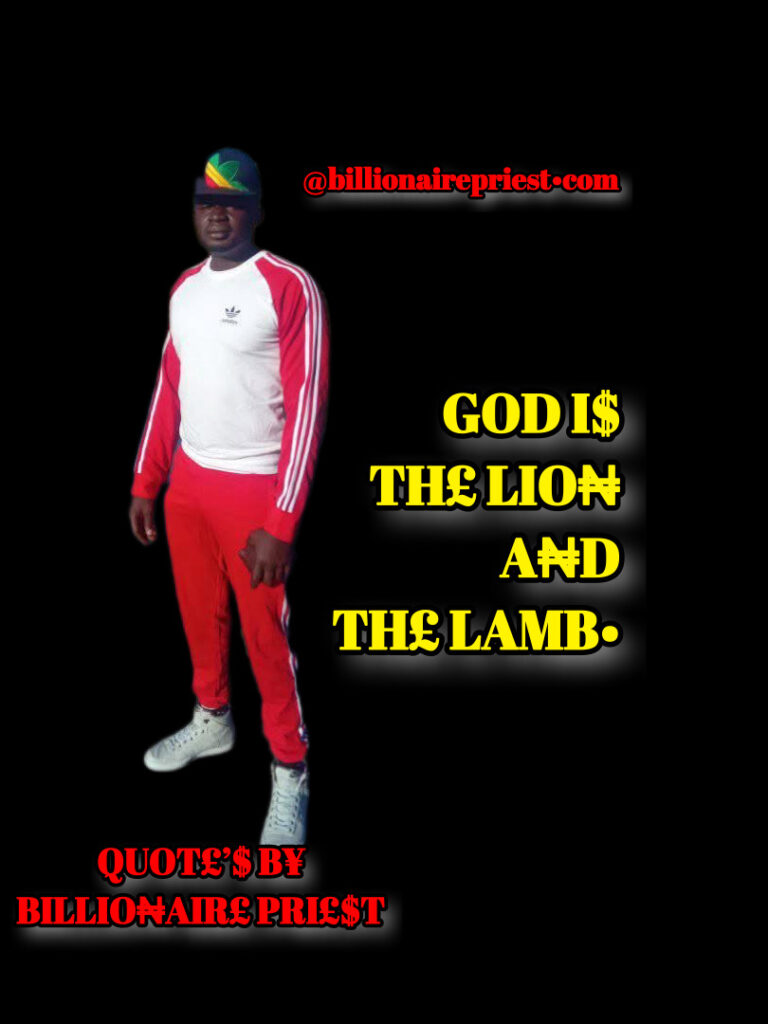
The phrase “God is the lion and the lamb” is a powerful and multifaceted metaphor, often used in religious and theological contexts to describe the complexity of God’s nature. This expression is particularly significant in Christianity, where God is understood to embody both strength and humility, justice and mercy. The metaphor suggests that God, or divine nature, is not confined to one aspect but encompasses multiple dimensions that seem, at first, to be opposites—yet are perfectly unified in the divine being.
Let’s break it down more deeply.
1. The Lion – Symbol of Power and Strength
- Majesty and Authority: The lion has long been a symbol of strength, power, and majesty. It is often called the “king of the beasts” because of its dominance and regal nature. In biblical imagery, the lion is frequently used to represent God’s sovereignty, might, and righteousness. For example, in the Book of Revelation (5:5), Jesus is referred to as the “Lion of the tribe of Judah,” a title that conveys authority and victory over evil. The lion’s roar is seen as a call to attention, a summons to action, and a representation of God’s powerful, commanding presence.
- Judgment and Justice: The lion is also associated with judgment. In many religious traditions, lions are feared because of their predatory nature, and in the same way, God’s power is often associated with divine justice and judgment. This is seen in the idea of God punishing evil and rewarding righteousness. In the Christian context, this is often related to the Second Coming of Christ, when He is depicted as coming with the strength of a lion to judge the world.
- Symbol of Courage and Leadership: The lion is also a symbol of courage, leadership, and resilience. God, in this sense, is portrayed as a leader who provides protection, guiding people through difficult times, and standing strong against opposition or evil forces.
2. The Lamb – Symbol of Gentleness, Sacrifice, and Innocence
- Meekness and Humility: In contrast to the lion, the lamb represents qualities like humility, meekness, and gentleness. In Christian theology, Jesus is often referred to as the “Lamb of God,” particularly because of His sacrificial death. Lambs are innocent creatures, often symbolizing purity and unblemished sacrifice. Jesus, by being the “Lamb,” exemplifies God’s capacity for gentleness, forgiveness, and love, especially in the face of suffering or injustice.
- Sacrifice and Redemption: The most important representation of the lamb comes from its role in sacrifice. In the Old Testament, lambs were often used as sacrificial offerings to atone for sins. In Christianity, this is understood as a precursor to Jesus’ own sacrificial death on the cross, which Christians believe was the ultimate atonement for humanity’s sins. Jesus, as the Lamb of God, takes on the suffering of the world and offers His life in sacrifice for the redemption of all people.
- Peace and Compassion: The lamb also symbolizes peace. While lions can be associated with conflict and confrontation, the lamb represents the way of peace and reconciliation. Jesus, by His nature as the Lamb, is seen as the one who brings peace between God and humanity, offering forgiveness and love to all, even to those who oppose or persecute Him.
3. The Unity of Both – Strength and Mercy in Harmony
The profound beauty of the “lion and lamb” imagery lies in its portrayal of a God who holds both power and humility, justice and mercy, simultaneously.
- Balance of Justice and Mercy: The lion represents the justice of God—the need for righteousness and the confrontation of evil. The lamb represents God’s mercy—His willingness to sacrifice and forgive. Both are essential to God’s nature. Without justice, God would be indifferent to evil and suffering; without mercy, God would be harsh and unapproachable. By embodying both the lion and the lamb, God is portrayed as someone who is both perfectly just and infinitely merciful.
- Strength in Weakness: In the Christian faith, the most powerful example of this dual nature is seen in the crucifixion of Jesus. Jesus, who is the Lamb, willingly goes to His death in humility and suffering, but in doing so, He also defeats death and sin, showing the ultimate power of love. In this act of sacrifice, the “lamb” conquers through apparent weakness, revealing that true strength often comes through humility and self-giving.
- Victory Through Sacrifice: The lion and the lamb also represent the paradox of victory through sacrifice. The lion conquers through force and might, while the lamb conquers by laying down its life. Christianity teaches that through Jesus’ sacrificial death (the Lamb), victory over sin and death was achieved, a victory that is far more enduring than any earthly conquest of a lion.
4. Theological Significance in Christianity
- Christ as the Lion and the Lamb: In Christian belief, Jesus is the ultimate fulfillment of this dual imagery. As the Lion of Judah, He is the powerful, victorious king. As the Lamb of God, He is the innocent sacrifice who offers Himself for the forgiveness of sins. This duality encapsulates the entirety of the Christian gospel: Jesus is both the conquering king and the sacrificial servant, both the source of ultimate power and the embodiment of ultimate love and sacrifice.
- The Kingdom of God: The idea of God being both the lion and the lamb challenges the conventional notions of power and rule. God’s kingdom, as depicted by Jesus, is not a kingdom of force, violence, or domination (like a lion’s rule might suggest), but one of peace, love, and sacrifice (like the lamb). This reflects the Christian ideal that God’s reign is not about oppressive power but about the transformation of the world through love, mercy, and justice.
5. Philosophical Implications
- The Nature of Divine Paradoxes: The lion and the lamb imagery highlights a deep philosophical idea about the nature of divinity: it is not simply one thing or another, but rather a combination of seemingly opposite traits that coexist in perfect harmony. This paradox invites contemplation on the nature of God as being beyond human understanding—God is simultaneously powerful and humble, just and merciful, righteous and forgiving.
- Human Nature and the Divine: This duality can also reflect the complexity of human nature. Like God, humans are capable of both great strength and profound vulnerability. The lion and lamb metaphor can inspire people to reconcile these aspects within themselves—acknowledging both their potential for power and their need for compassion. It’s a reminder that true strength is not just about dominance or control but also about knowing when to show mercy and gentleness.
6. In Other Religious Traditions
- While the “lion and lamb” metaphor is most commonly associated with Christianity, the symbolism of both the powerful lion and the sacrificial lamb can also be found in other religious and mythological systems. The lion often symbolizes kingship and divine protection in many cultures, while the lamb can represent innocence, purity, or sacrifice in various mythologies and spiritual beliefs.
Conclusion:
The phrase “God is the lion and the lamb” encapsulates a profound and paradoxical truth about the nature of divinity. God is both the all-powerful lion who rules with justice and authority, and the sacrificial lamb who embodies humility, love, and selflessness. These two symbols together reveal that strength and power are not always about force or dominance; sometimes, true power is shown through sacrifice, mercy, and compassion. By embodying both qualities, God offers a model for how humans might live—balancing justice and mercy, strength and vulnerability, leadership and service. This dual nature of God challenges us to rethink our ideas about power, love, and what it means to be truly divine.
What are your thoughts on how this metaphor relates to real-life struggles or challenges? Does it offer any insight into how we might approach conflict or personal growth?