 LUPER
LUPER
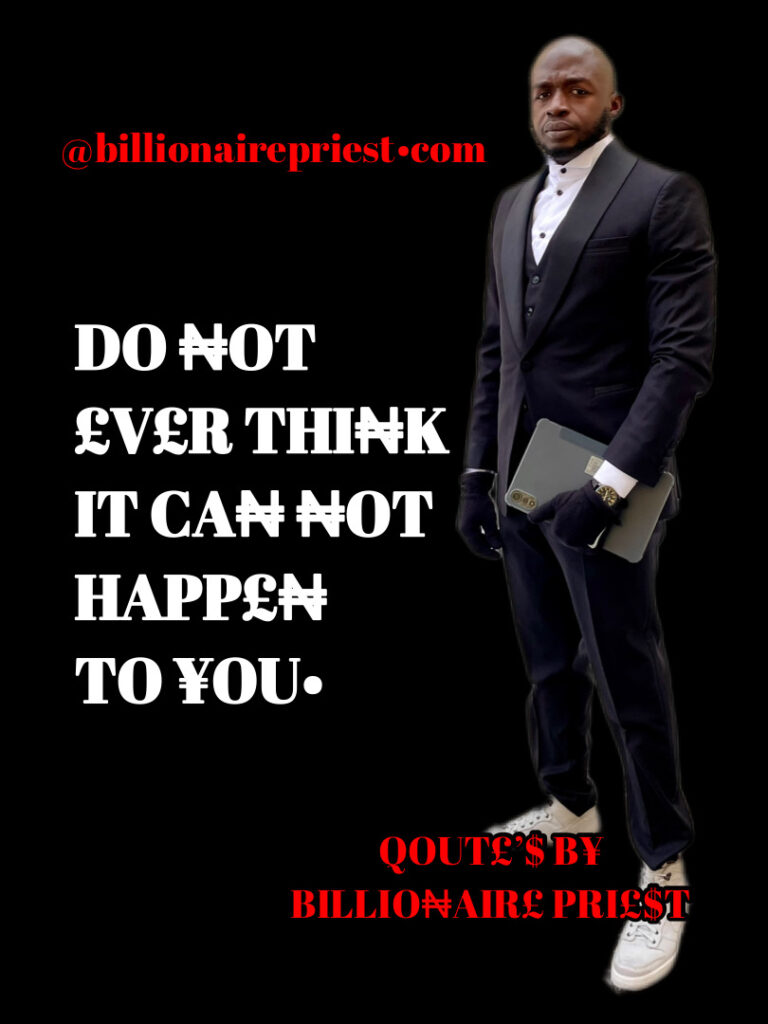
“Do not ever think it cannot happen to you” is a warning about human blind spots—and it’s deeper than it sounds.
At its core, the sentence is about false immunity.
1. The illusion of “I’m different”
Humans are wired to believe bad things happen to other people.
Other people get addicted.
Other people make catastrophic mistakes.
Other people fall into toxic relationships, financial ruin, moral failure, illness, or despair.
This belief isn’t arrogance—it’s psychological self-defense. If we truly felt vulnerable to everything at all times, we’d be paralyzed by fear. So the mind builds a quiet story:
“That couldn’t be me. I’m smarter. More careful. Stronger.”
The danger is when that story hardens into certainty.
2. Small choices, not big villains
Most life-altering events don’t begin dramatically. They start incrementally:
- One compromise
- One ignored red flag
- One “just this once”
- One moment of exhaustion or overconfidence
People rarely choose disaster. They drift into it while believing they’re still in control.
Thinking “it can’t happen to me” lowers your guard right when vigilance matters most.
3. Circumstances change faster than character
You might be disciplined, ethical, resilient—until:
- You’re sleep-deprived
- Grieving
- Isolated
- Desperate
- In love
- Afraid
- Under pressure you’ve never felt before
Character is real, but circumstances can overpower character if you’ve never trained for them. Many people don’t fail because they’re weak, but because they were unprepared for a version of life they never imagined facing.
4. Humility is protection
This statement isn’t about paranoia. It’s about humility.
Humility says:
- “I’m human.”
- “I have limits.”
- “Given the wrong conditions, I could make terrible choices.”
That awareness leads to:
- Stronger boundaries
- Better planning
- More compassion for others
- Earlier course correction
Ironically, the people least likely to fall are often the ones who know they could.
5. Compassion replaces judgment
When you stop believing “that could never be me,” you stop judging people who fall.
Instead of:
“How could they be so stupid?”
You think:
“What pressures did they face that I haven’t?”
That mindset doesn’t excuse harm—but it deepens understanding and keeps you alert to your own vulnerabilities.
6. The quiet power of awareness
The sentence is not pessimistic. It’s empowering.
It says:
- Stay awake.
- Stay curious about your weaknesses.
- Respect the complexity of life.
- Prepare, don’t assume.
Because the moment you believe you’re immune is often the moment you’re most exposed.