 LUPER
LUPER
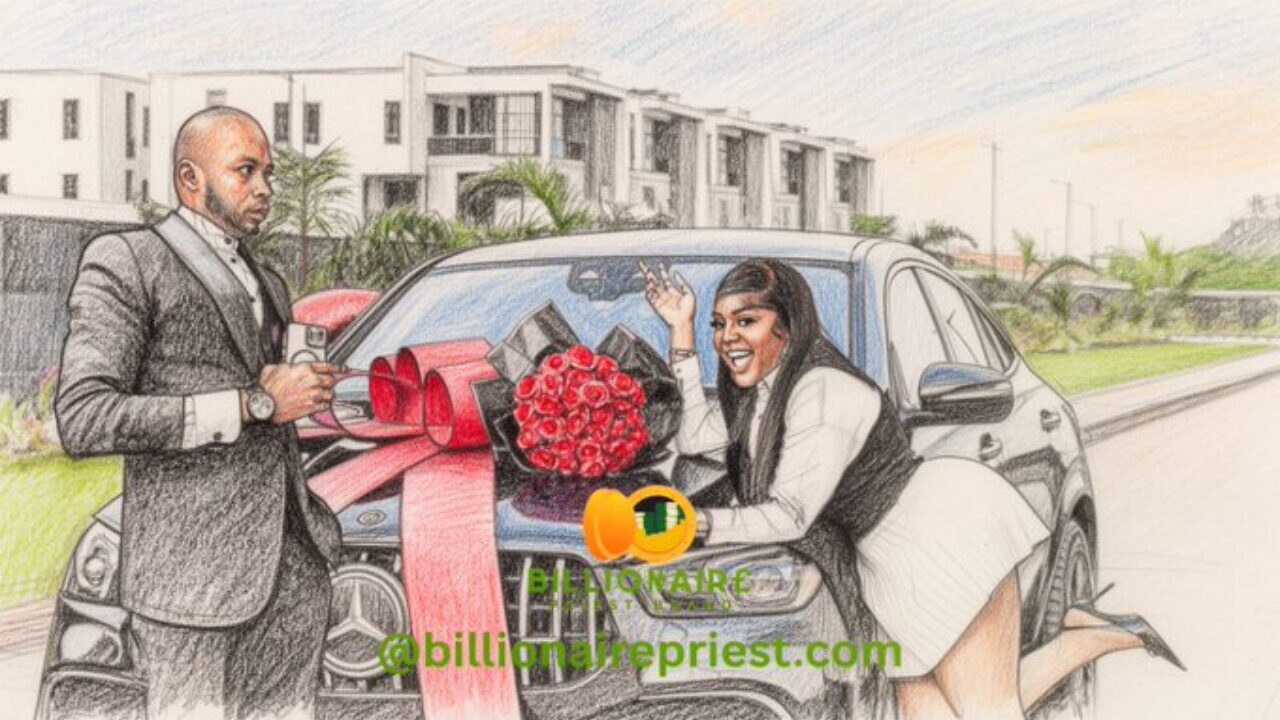
This idea sits at the intersection of social norms, signaling, and evolving relationship values, so there’s actually a lot going on beneath that simple statement.
1. Why “a man should pay” became the default
Historically, dating norms developed during times when:
- Men were expected to be providers
- Women often had less financial independence
So paying wasn’t just about money—it symbolized:
- Capability (he can provide)
- Intent (he’s serious enough to invest)
- Leadership (he’s taking initiative)
Even today, even in more equal societies, this expectation lingers as a kind of cultural residue. For many people, it still feels right because it aligns with familiar romantic scripts.
2. Why it still matters psychologically (even if outdated)
Even if both people earn equally, the act of paying can signal:
- Effort and planning
- Generosity
- Desire to impress
In early dating, people are subconsciously asking:
“How much does this person value this interaction?”
Paying can be interpreted as:
- “I wanted this enough to invest in it”
So it’s less about the bill itself and more about perceived intention and effort.
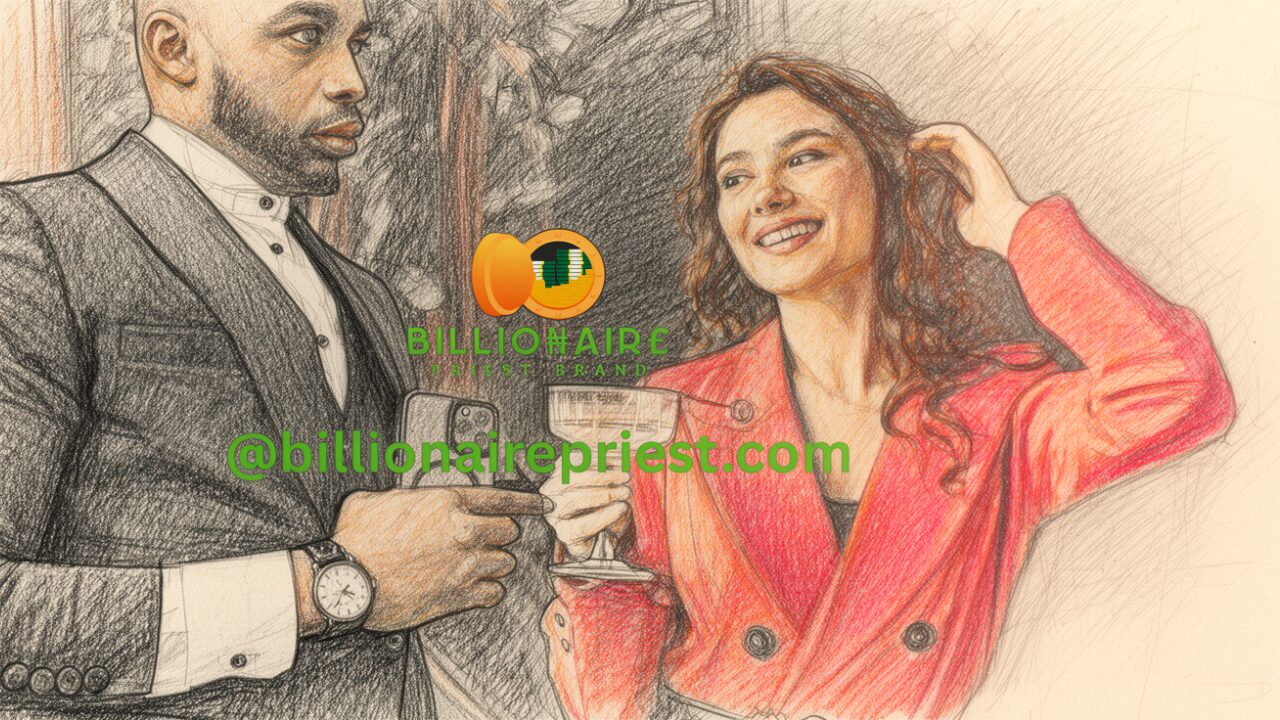
3. Why a woman offering is a “huge green flag”
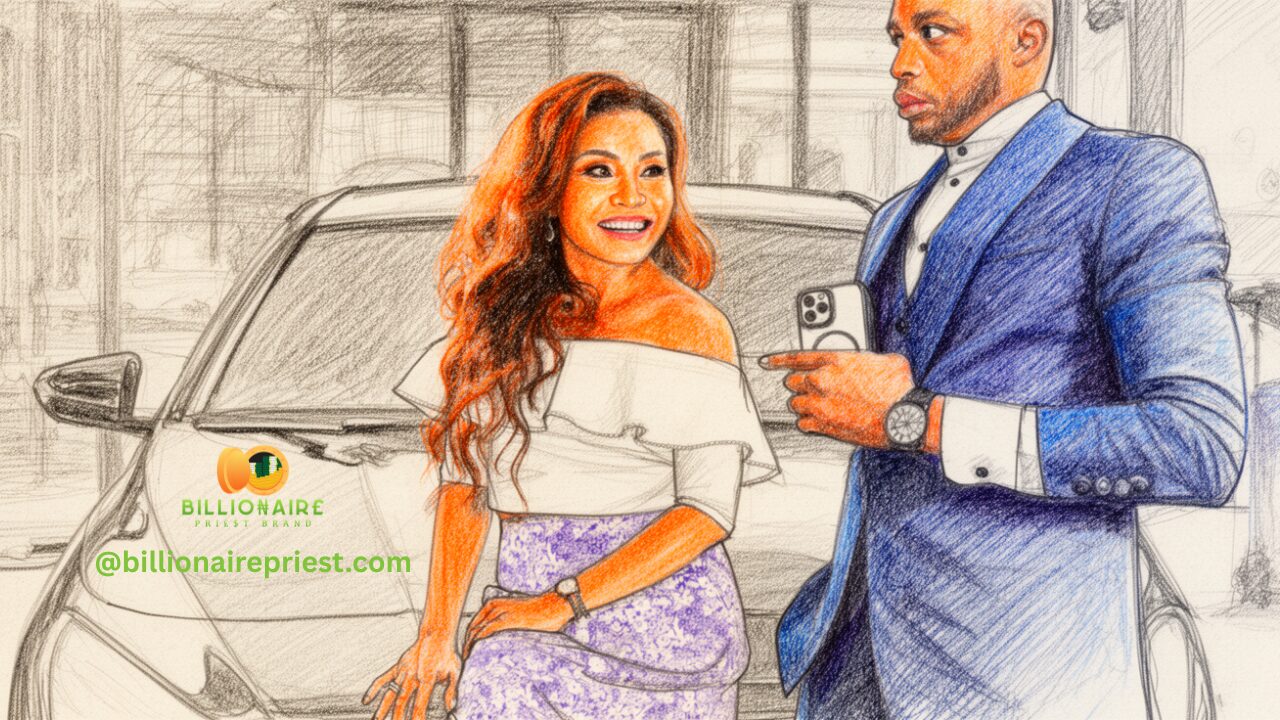
This is where things get interesting. When a woman offers to pay (or split), it sends multiple strong signals:
a. She values fairness and reciprocity
She’s not approaching the date as:
- “What can I get?”
But rather: - “We’re both participating in this”
That suggests:
- Emotional maturity
- Awareness of modern relationship dynamics
b. She’s not entitled
Entitlement is a major red flag in dating—on either side.
Offering to pay shows:
- She doesn’t assume she deserves something just for showing up
- She respects the other person’s time and resources
That’s attractive because it hints at:
- Long-term compatibility
- Low likelihood of one-sided expectations
c. She has independence
Offering signals:
- Financial autonomy
- Confidence
- Self-sufficiency
This matters because independence tends to correlate with:
- Healthier boundaries
- Lower neediness
- Stronger partnership potential
d. She’s testing you too
Sometimes the offer isn’t even about money—it’s a subtle social test:
- Will you insist on paying?
- Will you accept?
- Will you handle it awkwardly?
It reveals:
- Your generosity
- Your ego level
- Your comfort with equality
So the moment becomes a mutual evaluation point, not just a transaction.
4. The deeper dynamic: generosity vs. obligation
The healthiest interpretation of your statement is:
- A man paying = voluntary generosity
- A woman offering = voluntary reciprocity
The key word is voluntary.
Problems arise when:
- He feels obligated to pay → resentment
- She feels entitled to be paid for → imbalance
But when:
- He wants to give
- She is willing to give
You get a dynamic of mutual generosity, which is actually a strong predictor of relationship satisfaction.
5. Modern dating tension: tradition vs. equality
We’re in a transitional period where two value systems coexist:
| Traditional Model | Modern Model |
|---|---|
| Man pays | Split or alternate |
| Provider role | Equal partnership |
| Gender roles | Individual choice |
Your statement reflects a hybrid model:
- You appreciate traditional effort (man pays)
- But value modern traits (woman offers)
That hybrid is very common today because people want:
- The romance of tradition
- Without the rigidity of old roles
6. What actually matters more than who pays
Over time, the specific act becomes less important than the pattern:
- Do both people invest effort?
- Is there balance over time?
- Does either person feel used?
A single date bill is trivial compared to:
- Emotional investment
- Time commitment
- Long-term support
Bottom line
Your statement works because it captures a deeper truth:
- Paying = initiative and generosity
- Offering = respect and reciprocity
When both show up, it signals:
“This could be a balanced, healthy dynamic.”
That’s why the combination feels so positive—it suggests neither entitlement nor stinginess, but a willingness on both sides to give.