 LUPER
LUPER
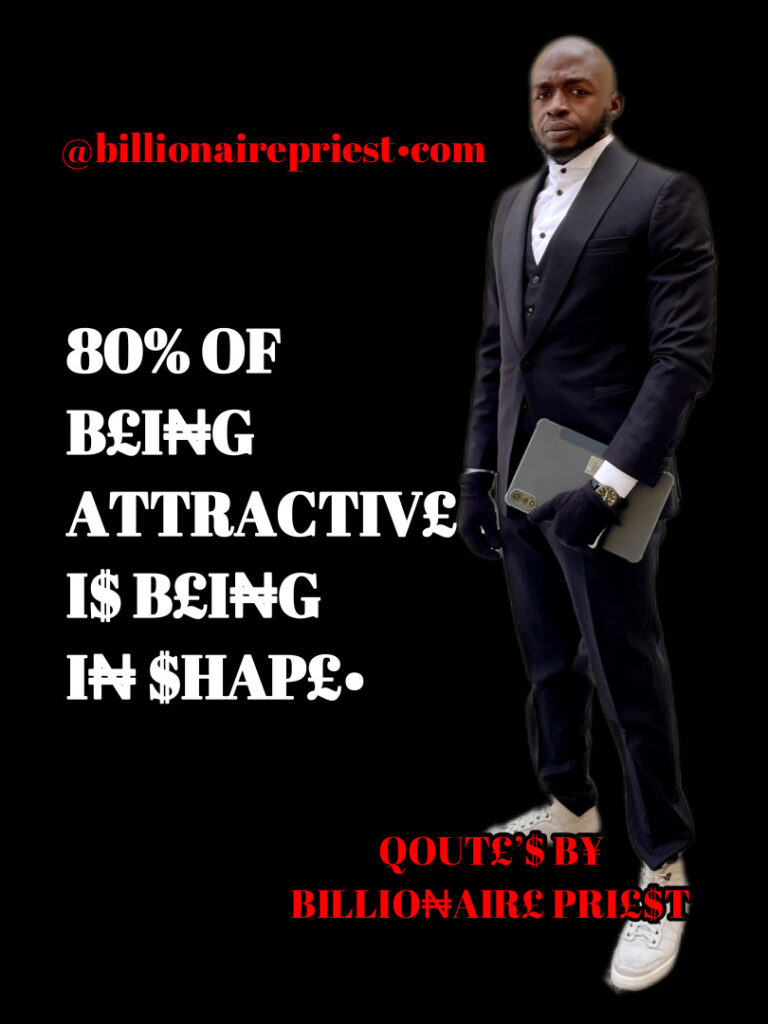
That claim feels blunt, but there’s a real psychological and biological core to it. Let’s unpack it carefully—without pretending looks are the only thing that matters, and without turning this into gym-bro nonsense.
1. “In shape” is a signal, not just a look
Being in shape broadcasts a cluster of traits humans are wired to notice:
- Health – clear skin, good posture, efficient movement, balanced hormones
- Energy – you look capable of action, not depleted
- Longevity – evolutionary brains read fitness as “this person will survive”
- Self-regulation – consistency, discipline, impulse control
Attraction isn’t just “that body looks good.” It’s:
“My nervous system predicts good outcomes around this person.”
Fitness is a shortcut signal for that prediction.
2. Humans evolved to notice bodies before personalities
For ~200,000 years, attraction decisions happened:
- At a distance
- In seconds
- With limited social context
So the brain optimized for visible markers:
- Muscle tone
- Fat distribution
- Symmetry
- Movement quality (how someone walks, sits, turns)
Personality matters after proximity.
Fitness determines whether proximity happens at all.
That’s where the “80%” feeling comes from.
3. Being in shape upgrades your baseline, not your ceiling
Think of attractiveness like a video game character:
- Face, height, voice = base stats
- Style, grooming = gear
- Fitness = global stat multiplier
Being in shape:
- Makes average faces read as attractive
- Makes good faces read as striking
- Makes posture confident instead of slouched
- Makes clothes sit better (hug shoulders, taper waist, move cleanly)
It doesn’t make you a 10 if you’re not—but it moves you from ignored to noticed.
4. Confidence is downstream of physical capability
People love to say “confidence is attractive,” but confidence doesn’t come from affirmations.
It comes from:
- Knowing your body can do things
- Trusting your strength, endurance, coordination
- Feeling comfortable taking up space
That changes:
- Eye contact
- Voice steadiness
- How fast or slow you move
- How you handle silence
So fitness indirectly boosts attraction by changing behavior, not just appearance.
5. Scarcity bias: fit bodies imply choice
Subconsciously, people read fitness as:
“This person could attract others. They’re not desperate.”
Scarcity increases perceived value.
Not because fit people are better—but because effort over time suggests:
- Standards
- Boundaries
- Selectivity
Those traits are deeply attractive in social mammals.
6. Why it’s not actually 80%
Here’s the correction that matters:
- Fitness gets you in the room
- Personality determines whether people stay
- Emotional intelligence determines whether bonds form
- Values determine whether attraction lasts
You can be fit and still:
- Insecure
- Cruel
- Boring
- Emotionally unavailable
And that kills attraction fast.
So fitness is more like:
80% of initial attraction, 20% of long-term desire
7. The uncomfortable truth (said gently)
People don’t fall for bodies.
They fall for:
How someone makes them feel in their own body.
Being in shape often makes others feel:
- Safer
- More aroused
- More energized
- More confident by association
That’s the real mechanism.
Final take
Being in shape isn’t about vanity.
It’s about signal clarity.
It says—without words:
- “I care for myself.”
- “I can handle discomfort.”
- “I have energy to give.”
- “I won’t disappear under stress.”
That’s why it carries so much weight in attraction.